PrototypeIndustrial robots & cobots
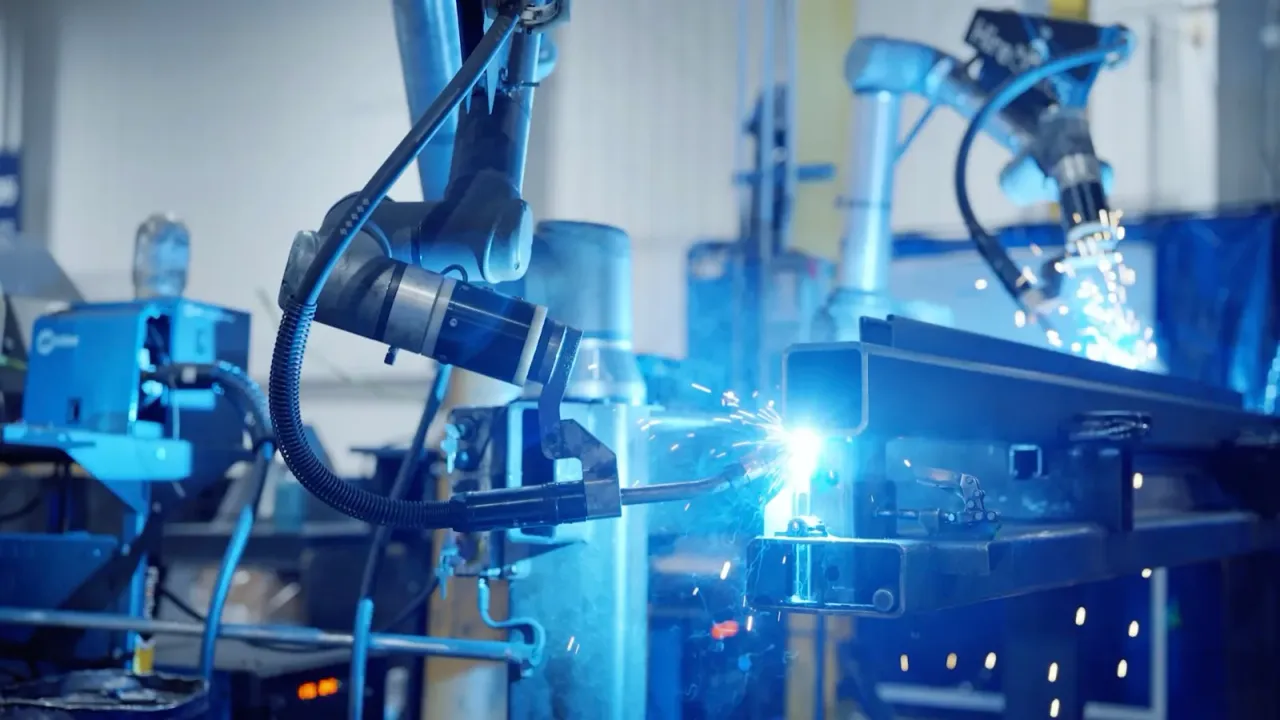
Universal Robots presented welding cobots that combine multi-axis motion, portable platforms and guided programming to handle more complex industrial work.
PrototypeIndustrial robots & cobots
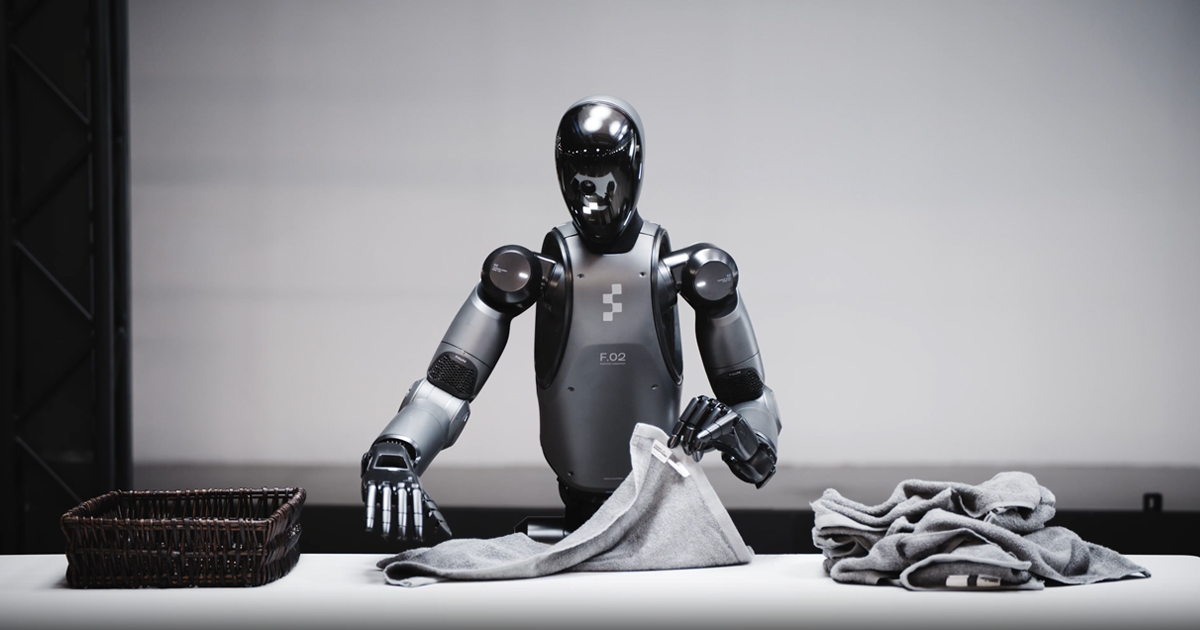
Figure’s August 12 video shows Helix folding towels autonomously; the evidence supports a task demonstration, not a real-world deployment claim.
PrototypeIndustrial robots & cobots
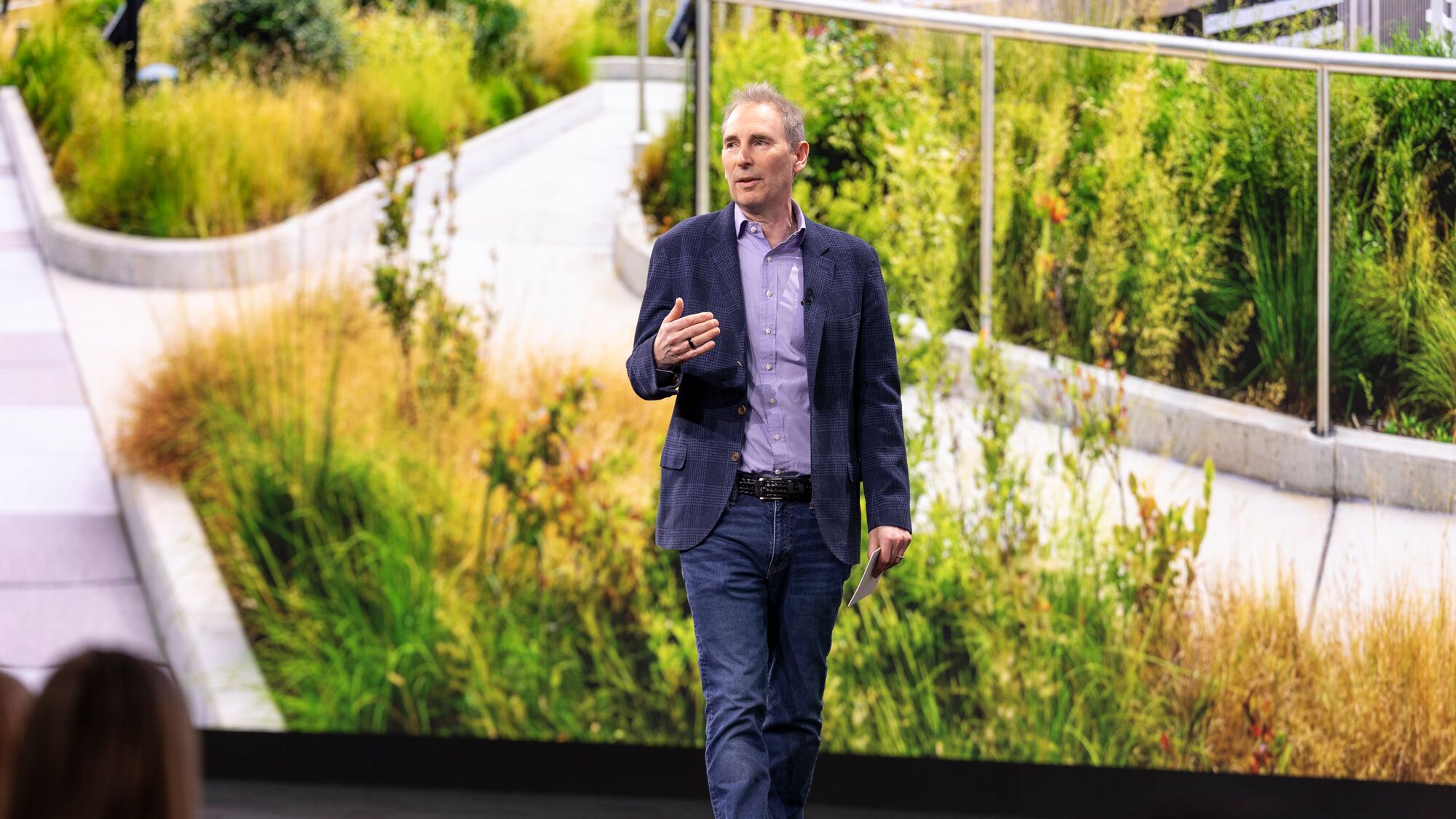
Amazon says more than one million robots operate in its fulfillment centers, putting a concrete figure on its warehouse automation. The deployment covers defined logistics tasks, while broader ambitions for dexterity, intelligence and new customers remain prospective.
PrototypeIndustrial robots & cobots
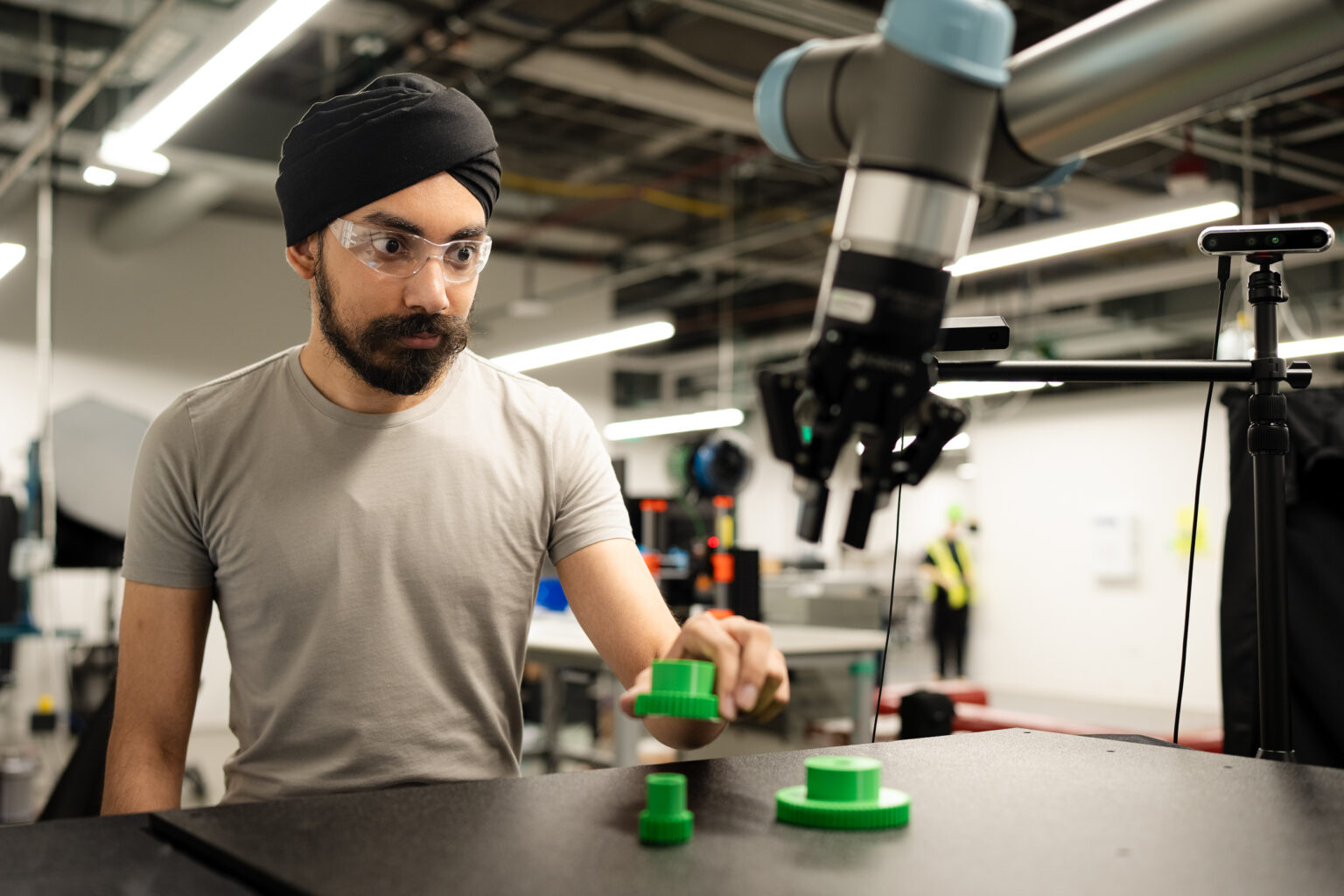
NVIDIA’s June 30, 2026 robotics material explains where Isaac ROS fits in a ROS 2 stack, from accelerated perception and simulation to edge deployment and safety.
PrototypeIndustrial robots & cobots
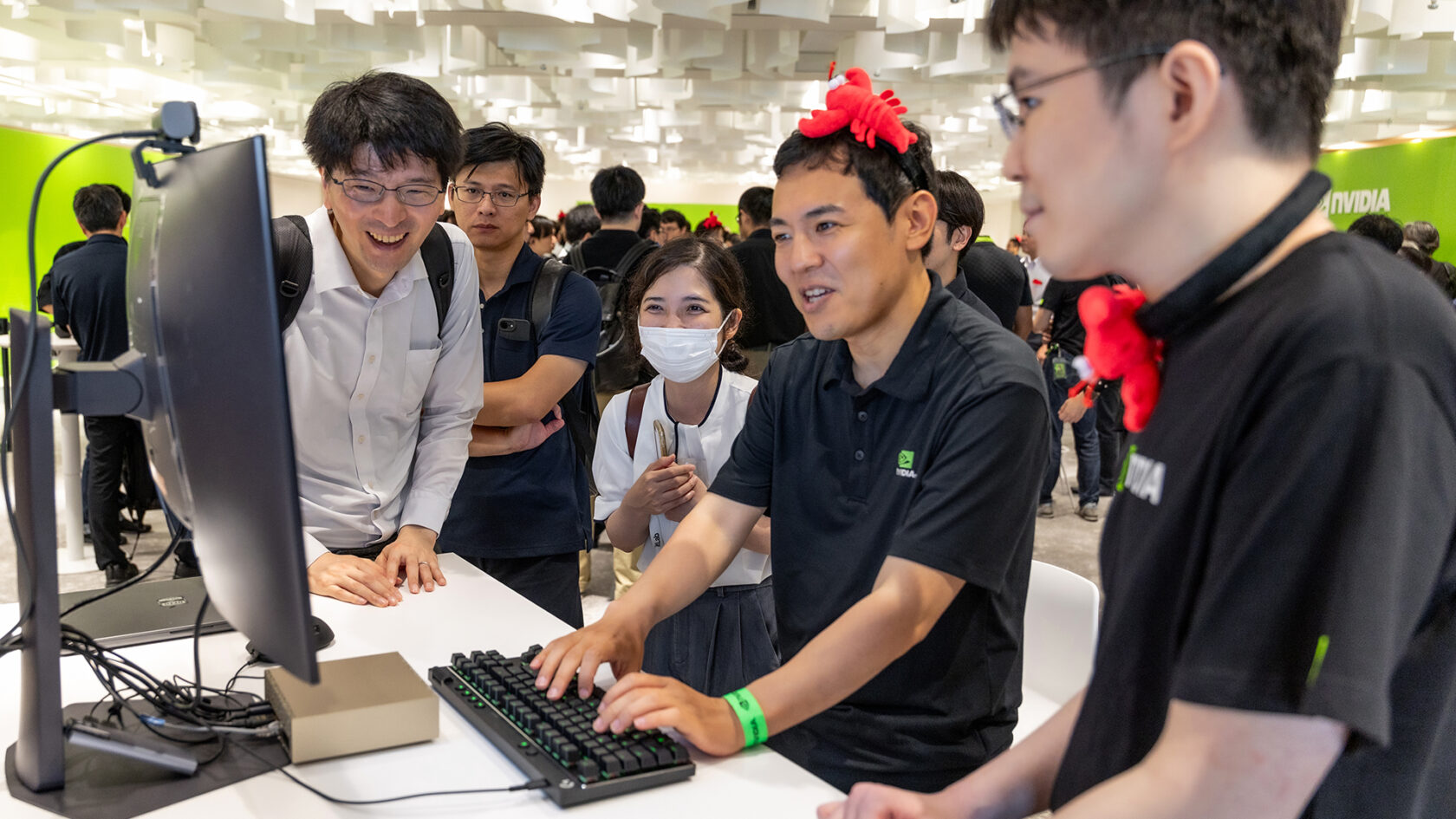
NVIDIA’s Japan update links Toyota’s physical-AI work to factory simulation, open models and digital twins, while leaving field validation and safety evidence to robot teams.
PrototypeIndustrial robots & cobots
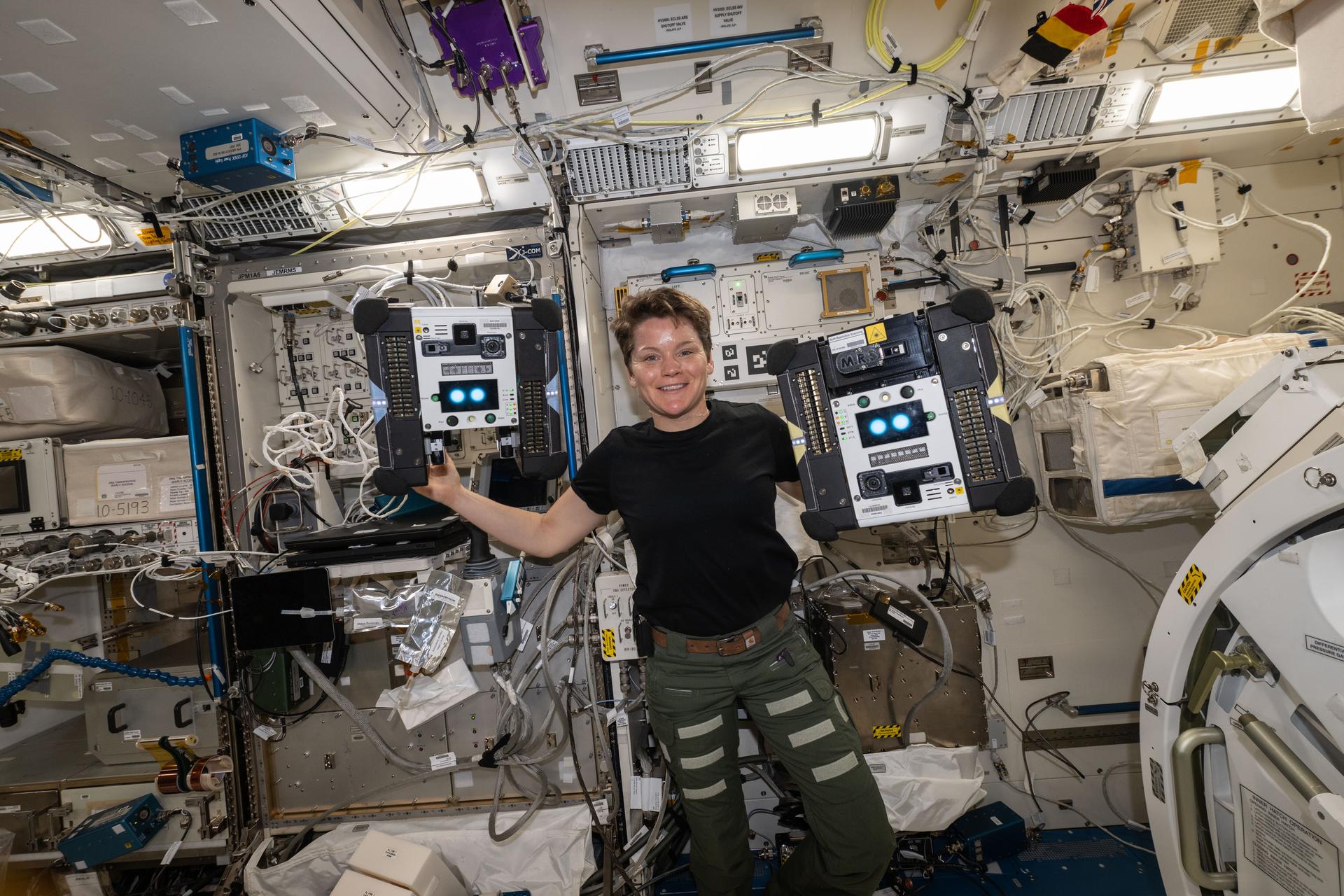
NASA’s partnership with Arkisys keeps the Astrobee platform available for International Space Station research while its documented limits remain clear.
PrototypeIndustrial robots & cobots
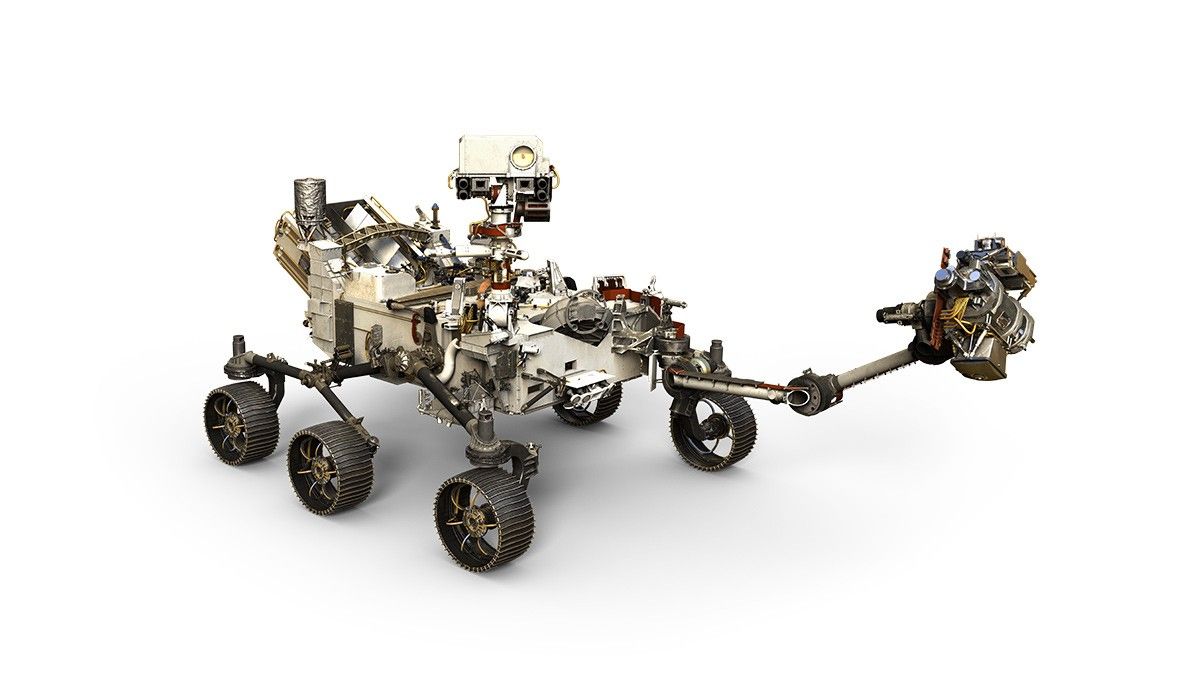
NASA has selected seven companies for Mars mobility studies. We separate the announced research scope from what the contracts do not yet prove.
PrototypeIndustrial robots & cobots
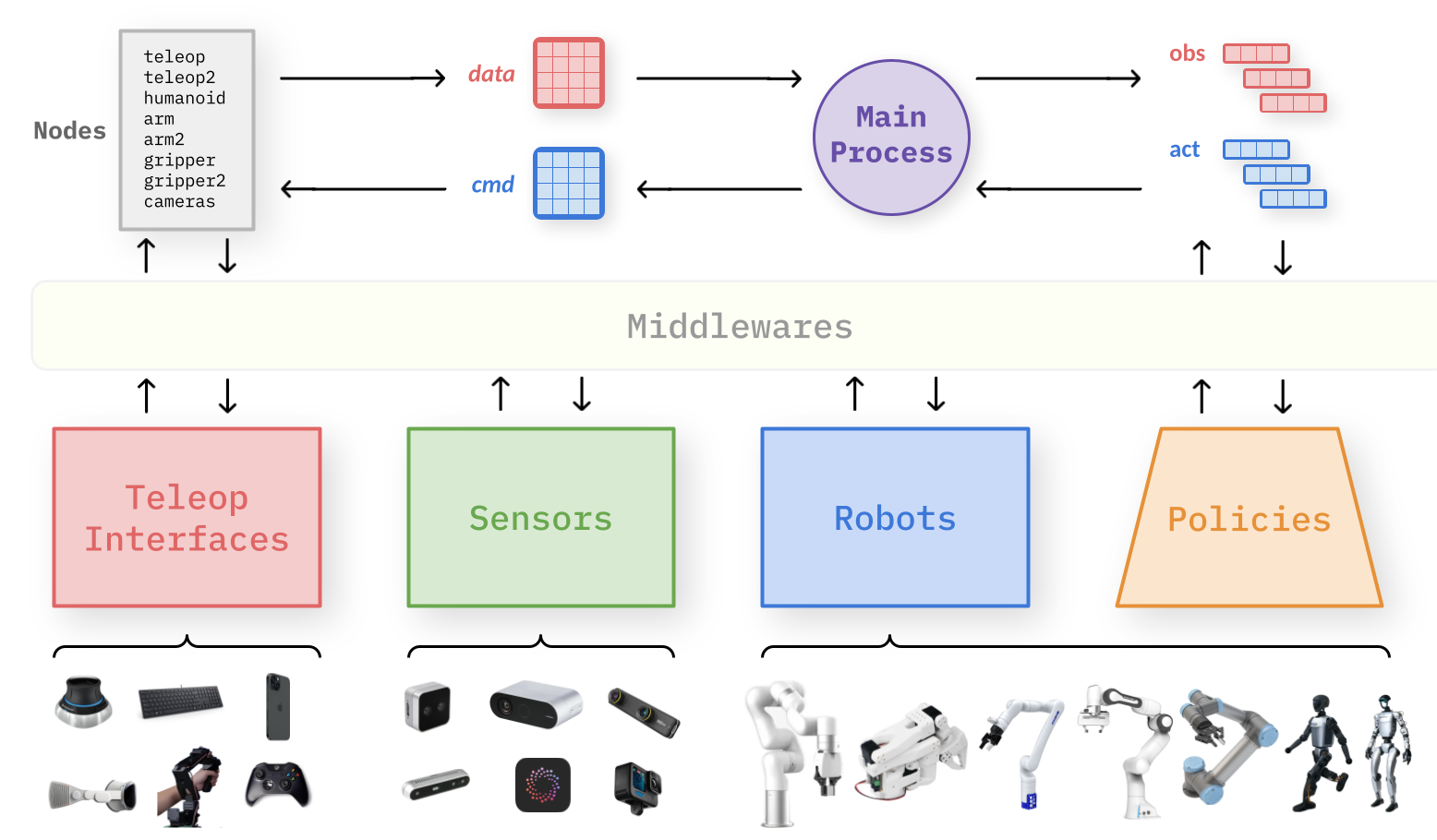
Carnegie Mellon’s open-source RIO framework is designed to move control, teleoperation, data collection and AI deployment across robot platforms. Here is what the announcement supports—and what it does not.
PrototypeIndustrial robots & cobots
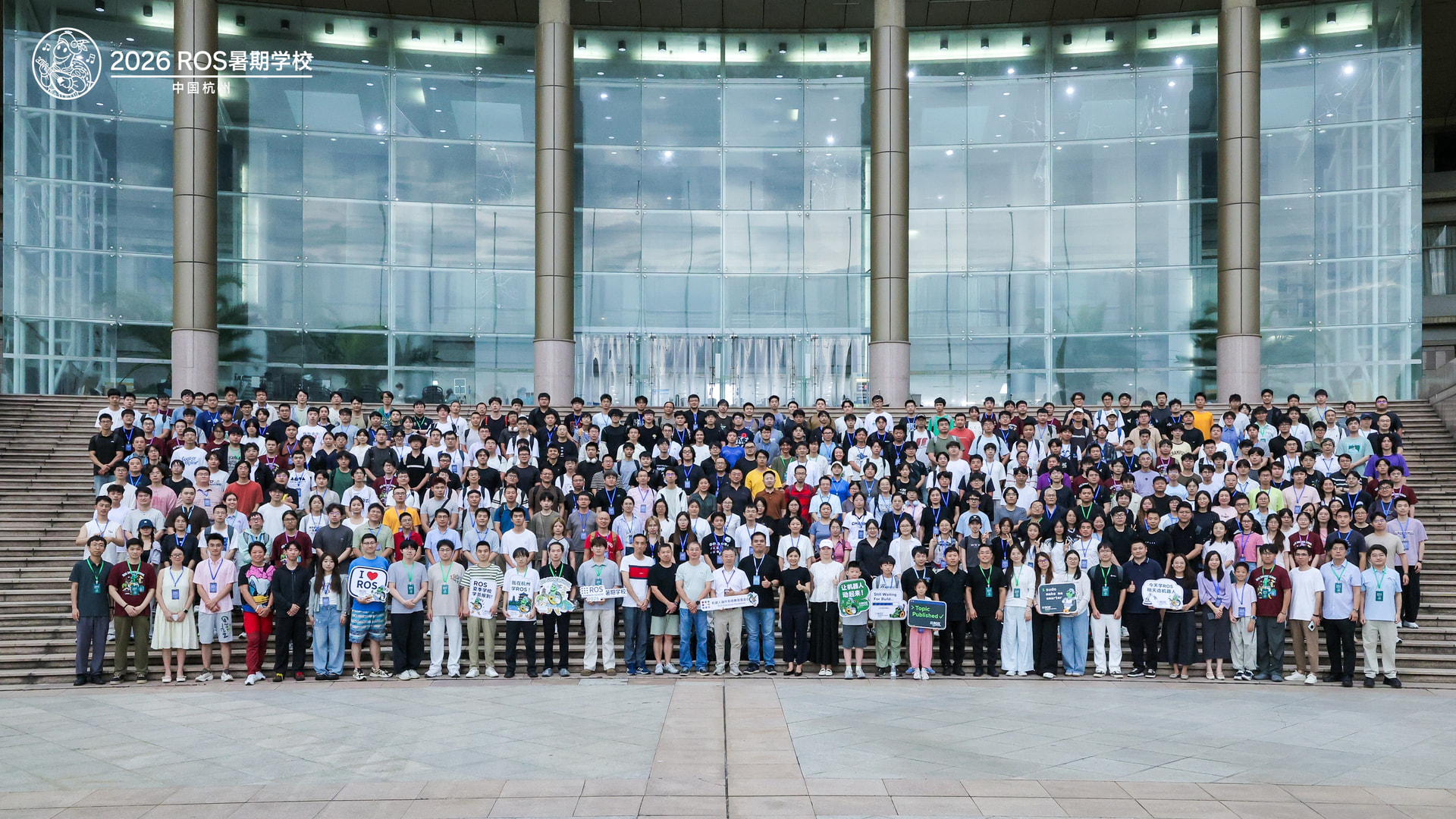
An evidence-led reading of the Hangzhou report maps the open ROS tools and practical exercises while separating training claims from measured robot performance.
PrototypeIndustrial robots & cobots
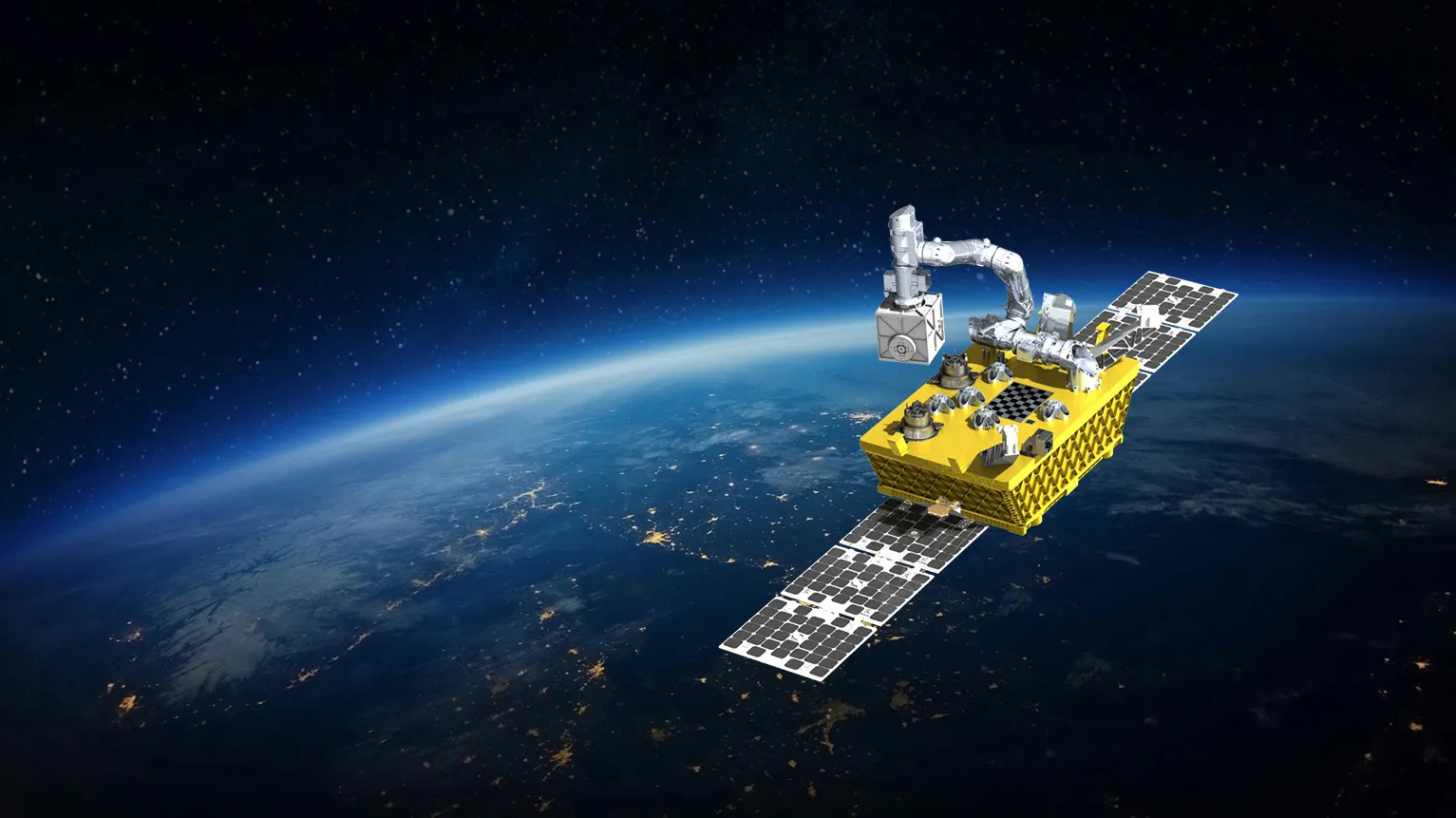
NASA’s 2026 Space Roboticist Challenge offers selected U.S. researchers a route from white paper to simulation, validation and a possible on-orbit experiment with a seven-degree-of-freedom robotic arm.